
SEO
September 2, 2026
Local SEO for Nigerian Businesses: A Practical Guide
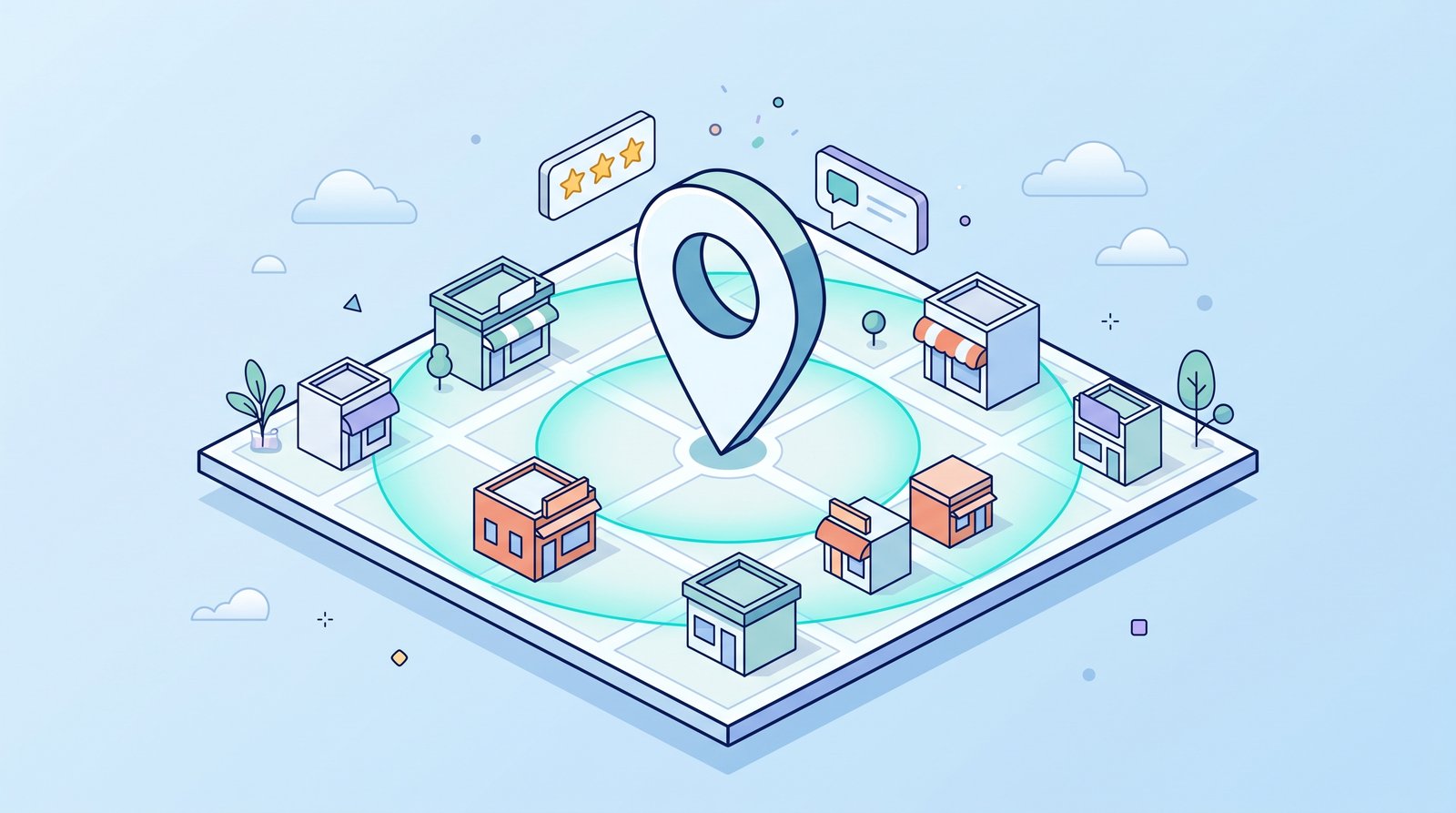
A well-designed website is only half the equation for a business that depends on local customers — a restaurant in Lekki, a boutique in Wuse, a service provider covering a specific city or state. If someone searching "hair salon near me" or "plumber in Ikeja" can't easily find you, the quality of your website barely matters. Local SEO is the part of search optimization most Nigerian businesses skip entirely, and it's often the fastest, most cost-effective way to bring in real customers who are already looking to buy.
Why Local SEO Deserves Its Own Strategy
General SEO focuses on ranking for broad topics and keywords. Local SEO focuses specifically on appearing when someone nearby searches for what you offer — and it's governed by a slightly different set of ranking factors, centered heavily around location signals, reviews, and consistency of business information across the internet.
The businesses winning at local SEO aren't necessarily the ones with the biggest marketing budgets. They're the ones who've done the (largely free) groundwork properly and consistently.
Step 1: Claim and Fully Optimize Your Google Business Profile
This is the single highest-impact local SEO action available, and it's completely free. A Google Business Profile is what shows up when someone searches your business name directly, or searches for a category of business near their location — complete with your address, hours, photos, and reviews, often before they ever reach your actual website.
What "fully optimized" actually means:
Business name, address, and phone number that exactly match what's on your website and other listings
Accurate, complete business hours, updated immediately for holidays or changes
The correct primary business category, plus relevant secondary categories
A complete, genuinely descriptive business description using natural language a customer would search
Regularly updated photos — of the actual location, products, or work, not stock imagery
Posts and updates published periodically, since active profiles tend to be favored over dormant ones
Most businesses claim this profile once and never touch it again. That alone is a significant, easily fixable gap.
Step 2: Keep Your Business Information Consistent Everywhere
Search engines cross-reference your business details across the internet — your website, your Google Business Profile, social media pages, and any business directories you're listed on. Inconsistent information (a slightly different address format, an outdated phone number on one platform) actively undermines the trust signals that help local rankings, even when each individual listing seems minor on its own.
A practical fix: List every place your business appears online — website, Google, Facebook, Instagram, any local directories — and confirm the name, address, and phone number are formatted identically everywhere. This single audit often reveals inconsistencies that have been quietly hurting local visibility for months or years.
Step 3: Collect and Respond to Reviews Deliberately
Reviews are one of the strongest local ranking signals, and — just as importantly — they're often the first thing a potential customer reads before deciding to trust a business enough to visit or call.
What actually works:
Asking satisfied customers directly for a review, right after a positive interaction, rather than hoping it happens organically
Responding to every review, positive and negative, professionally and promptly — this signals an actively managed, trustworthy business to both customers and search engines
Never purchasing fake reviews — this is both against platform policy and easily detected, risking the entire profile's credibility
Step 4: Create Location-Specific Content
If a business serves multiple areas — say, a service provider covering both Lagos and Abuja — generic content that never mentions a specific location misses an opportunity search engines actively reward. Content that naturally references the specific areas served, local landmarks, or region-specific customer needs helps a site rank for the specific local searches that actually convert into customers.
This doesn't mean awkwardly stuffing a city name into every sentence — it means genuinely writing with the local customer and context in mind, the same way any well-written content should reflect the actual audience it's meant for.
Step 5: Build Local Backlinks and Citations
Being mentioned and linked to from other reputable local sources — local news coverage, business directories, industry associations, partnerships with other local businesses — strengthens local search credibility in a way that's difficult to fake and genuinely valuable when built authentically.
Practical starting points:
Ensure your business appears in relevant local business directories, with consistent information matching everywhere else
Look for opportunities to be featured or mentioned by local organizations, events, or complementary businesses
Encourage genuine, organic mentions rather than purchasing low-quality bulk directory listings, which tend to provide little real value
Why Mobile Experience Matters Even More for Local Search
Local searches overwhelmingly happen on mobile devices — someone searching for a service while already out, or looking for a business to visit right now. A website that isn't genuinely mobile-friendly loses local customers at the exact moment of highest intent: when they're actively ready to visit or call.
A Realistic Timeline for Results
Local SEO isn't instant — most of these actions take weeks to months to meaningfully affect rankings, particularly the review and backlink components, which build credibility gradually rather than immediately. However, unlike broader national SEO competition, local search results often have meaningfully less competition, which means consistent, proper local SEO work tends to produce visible results faster than trying to compete for broad, high-competition national keywords.
The Bottom Line for Nigerian Businesses
Most of the local SEO fundamentals covered here are free or low-cost, and most local competitors haven't done them properly — which means the opportunity gap is often larger in Nigerian local markets than in more saturated international ones. A business willing to do this groundwork consistently has a genuine, achievable advantage over competitors relying purely on word of mouth or paid ads alone.
#localseo
#nigeria
#digitalmarketing
#smallbusiness
#seo